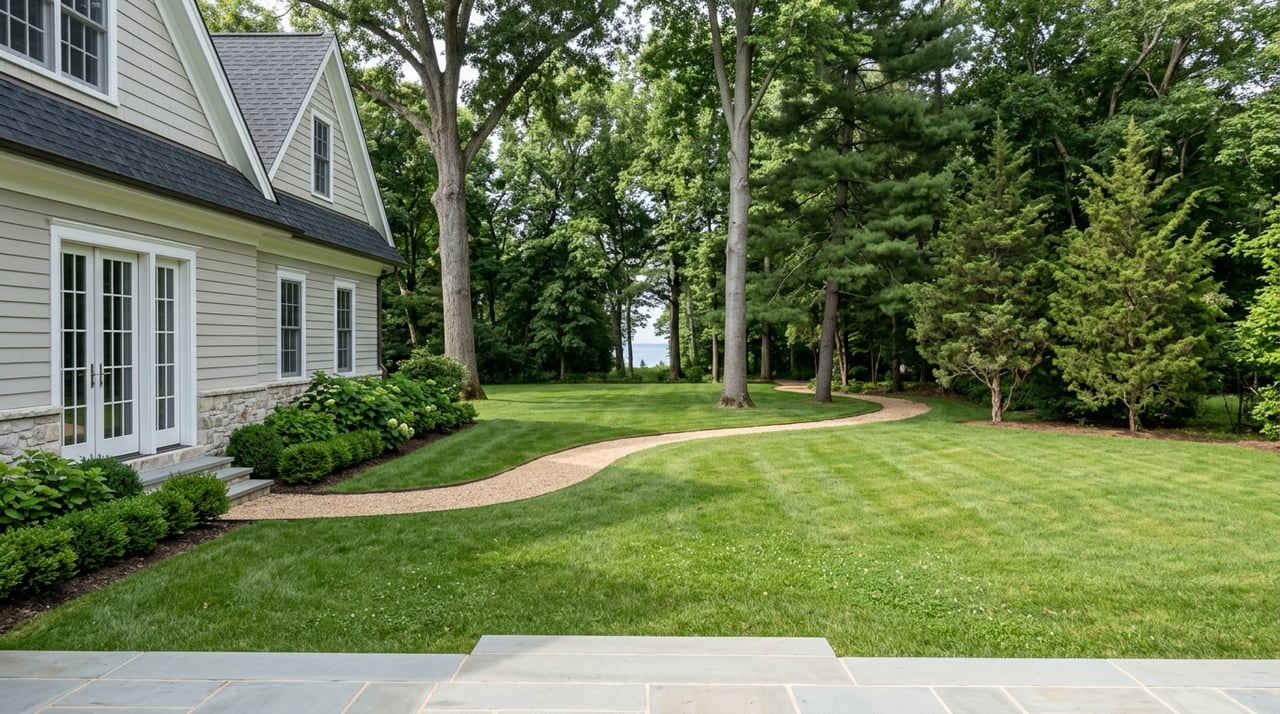
Picture your weekends starting with coffee on a wooded terrace, then a quick drive to your village beach where your kayak waits on a rack with your name on it. If you love privacy, space, and easy access to the Sound, Laurel Hollow might be your kind of North Shore living. You also want the facts on beach rights, lot sizes, and the true costs before you buy. This guide walks you through permits, two‑acre zoning, lifestyle highlights, and smart due diligence so you can move forward with confidence. Let’s dive in.
Where Laurel Hollow fits
Laurel Hollow is an incorporated village in the Town of Oyster Bay on Long Island’s North Shore. It spans roughly 3 square miles and has just under 2,000 residents, which gives daily life a calm, residential feel. A short stretch of shoreline touches Cold Spring Harbor and the Long Island Sound, and the village operates a beach and harbor program for residents. You are also close to Cold Spring Harbor’s Main Street, marina, and family spots like the Fish Hatchery & Aquarium.
Cold Spring Harbor Laboratory adds a unique local presence with public talks and events that connect science and community life. Learn more about the institution’s work on the lab’s site at the Genome Technology’s Institute feature from CSHL. Cold Spring Harbor Laboratory highlights
Beach rights and permits
Who can use Laurel Hollow Beach
The village holds a license to operate Laurel Hollow Beach and manages access through a resident permit program. Beach parking, dinghy and kayak racks, and moorings are administered by the Village Hall and the Harbormaster. In practice, that means use is regulated for residents and their guests, and permits are required to park or store small boats. Review the village’s page for seasonal details and forms. Laurel Hollow Beach program overview
For a sense of seasonal water conditions, independent monitoring sites track water quality and related issues on Long Island Sound. That can help you plan beach days and boating. Laurel Hollow Beach water quality overview
Parking, racks, and moorings
Expect permits for parking, dinghy/kayak rack storage, and moorings. Applications are handled by the Village Hall and are required year‑round. Mooring rules call for registration and annual inspection by an approved inspector. According to the Harbor Rules, there is no fee to place a mooring, but you must apply and comply with spacing and seasonal guidelines. Rack and mooring dates typically run within spring to late fall windows, with specific placement and removal deadlines. Always check the current year’s details. Harbor Rules and Regulations
What to ask before you buy
- Do existing mooring or rack assignments transfer with the sale, or will you need to apply anew? Confirm with the Village Hall and Harbormaster.
- Are there any current waitlists for racks or moorings? Ask about timing.
- What are the seasonal dates, inspection steps, and fines for noncompliance? Review the posted rules and forms. Beach and boating permits
Lot size, zoning, and what “two acres” means
Laurel Hollow’s Residence District has a cornerstone rule: a minimum lot area of 2 acres for new principal buildings. That single standard drives much of the village’s low density and wooded privacy. The code also limits building coverage to 6 percent of lot area for the principal home, with accessory structures capped at a combined 10 percent, and total surface coverage capped at 20 percent. Typical setbacks are 60 feet from the street and 40 feet from other lot lines, with a common 35‑foot height limit. Residence District code highlights
What this means for you: on a 2‑acre parcel, the footprint you can build is carefully controlled, which helps preserve spacing between homes and the green, rural feel. It also means you should review a survey closely to see the buildable envelope before planning additions or new construction.
Nonconforming lots and surveys matter
While many parcels meet or exceed the 2‑acre minimum, some older, legally recorded lots are smaller and still buildable under the code’s nonconforming provisions. The code also defines a minimum contiguous buildable area that can exclude wetlands, steep slopes, and similar constraints. If you are evaluating a property, confirm the exact lot dimensions, the buildable area on the survey, and how the rules apply to the specific parcel. Zoning and nonconforming provisions
Trees and the wooded feel
Laurel Hollow protects its canopy with a tree ordinance that requires permits for removals and prioritizes preservation of native species. These regulations support the village’s signature wooded streetscape and help maintain privacy and ecological health over time. If your plans include significant landscape changes, review the permit process first. Tree regulations
Homes and day‑to‑day lifestyle
You will find a range of homes: classic Cape Cods and Colonials, renovated contemporaries, and estate‑scale properties on multi‑acre parcels, including waterfront. Many residents keep small boats or kayaks and use the village beach and moorings for easy access to Cold Spring Harbor and the Sound. Others spend afternoons on Cold Spring Harbor’s Main Street, with its shops, galleries, and marina scene.
Commuting is straightforward by car to regional routes, with Long Island Rail Road access from nearby Cold Spring Harbor and Syosset stations. Families often mix school routines with outdoor time at the beach or local trails. Seasonal water quality and Sound stewardship are active community topics for swimmers and boaters, so it helps to stay informed. Local water quality resource
What it costs to live here
Home values and income context
Laurel Hollow is a high‑income community with median household income near $250,000 and median property values around $1.5M. These figures give helpful context when comparing North Shore markets and understanding budget expectations for land, taxes, and ownership costs. Laurel Hollow profile data
Property taxes, examples, and drivers
On multi‑acre parcels, annual property taxes commonly fall in the tens of thousands, with individual bills varying based on assessed value, exemptions, and school district allocation. Recent listing examples show taxes such as approximately $22,383, $27,906, and $33,361 per year, which illustrates the range you might see. On Long Island, the school portion often makes up the largest share of your tax bill. To avoid surprises, request the current tax bill and assessment for any property you are considering and ask for context on recent changes. School budget and spending context
Schools and boundaries to verify
Laurel Hollow is primarily served by the Cold Spring Harbor Central School District, with a smaller portion in the Oyster Bay‑East Norwich Central School District. Because Long Island school boundaries are parcel‑specific, always confirm the assigned district for the exact address with the district before you make final decisions. Cold Spring Harbor district resources
Smart due diligence for buyers
- Confirm beach and harbor privileges tied to the property. Ask whether moorings or rack spots transfer, and verify any waitlists or required inspections. Village beach and boating program
- Verify the assigned school district for the parcel with the district office. Cold Spring Harbor district resources
- Pull the latest property tax bill and assessed value, not just MLS notes. Ask about recent assessment changes and any exemptions.
- Review zoning and buildable area on a recent survey. The Residence District minimum lot size is 2 acres for new principal buildings, with coverage and setback limits. Zoning code reference
- Check tree‑removal requirements if you plan landscaping changes. Tree regulations
- Determine whether the home uses septic or public sewer, and confirm system age and maintenance history.
- Review FEMA flood maps and insurance needs for low‑lying or waterfront parcels.
- For boaters, study the Harbor Rules for seasonal dates, inspection requirements, and mooring spacing. Harbor Rules and Regulations
Is Laurel Hollow a fit for you?
If you value larger lots, quiet streets, and a permit‑managed beach and harbor, Laurel Hollow delivers a low‑density North Shore lifestyle with easy access to Cold Spring Harbor and the Sound. The two‑acre zoning framework shapes a community where wooded privacy is the norm and development is carefully controlled. Pair that with proximity to Main Street, science and cultural touchpoints, and straightforward commuting, and you have a compelling mix for many buyers.
If you are weighing a move, I can help you stress‑test the numbers, evaluate permits and zoning, and design a plan that fits your goals. Reach out to Patricia Santella to Request Your Personalized Market Plan.
FAQs
How do Laurel Hollow beach permits work?
- The village operates beach parking, dinghy/kayak racks, and moorings by permit for residents and their guests; applications and seasonal details are available from Village Hall. Beach and boating program
Do moorings transfer with a home sale in Laurel Hollow?
- Not automatically; confirm with the Harbormaster and Village Hall, since moorings require an application, registration, and annual inspection by an approved inspector. Harbor Rules
What does Laurel Hollow’s two‑acre zoning allow me to build?
- New principal homes require a minimum 2‑acre lot, with 6 percent principal building coverage, 10 percent accessory coverage, 20 percent total surface coverage, defined setbacks, and a typical 35‑foot height limit; verify your buildable area on a survey. Zoning code
Which school district serves my Laurel Hollow address?
- Most addresses are in Cold Spring Harbor CSD, with some in Oyster Bay‑East Norwich; always confirm with the district before making decisions. District resources
What are typical property taxes for multi‑acre homes in Laurel Hollow?
- Taxes often run in the tens of thousands per year, varying by assessed value and district; request the current tax bill and assessment for any property you are considering.
Is the Laurel Hollow beach open to the general public?
- The village administers access for residents and their guests through permits, so you should plan on obtaining the appropriate permit to park or store small boats. Beach program overview