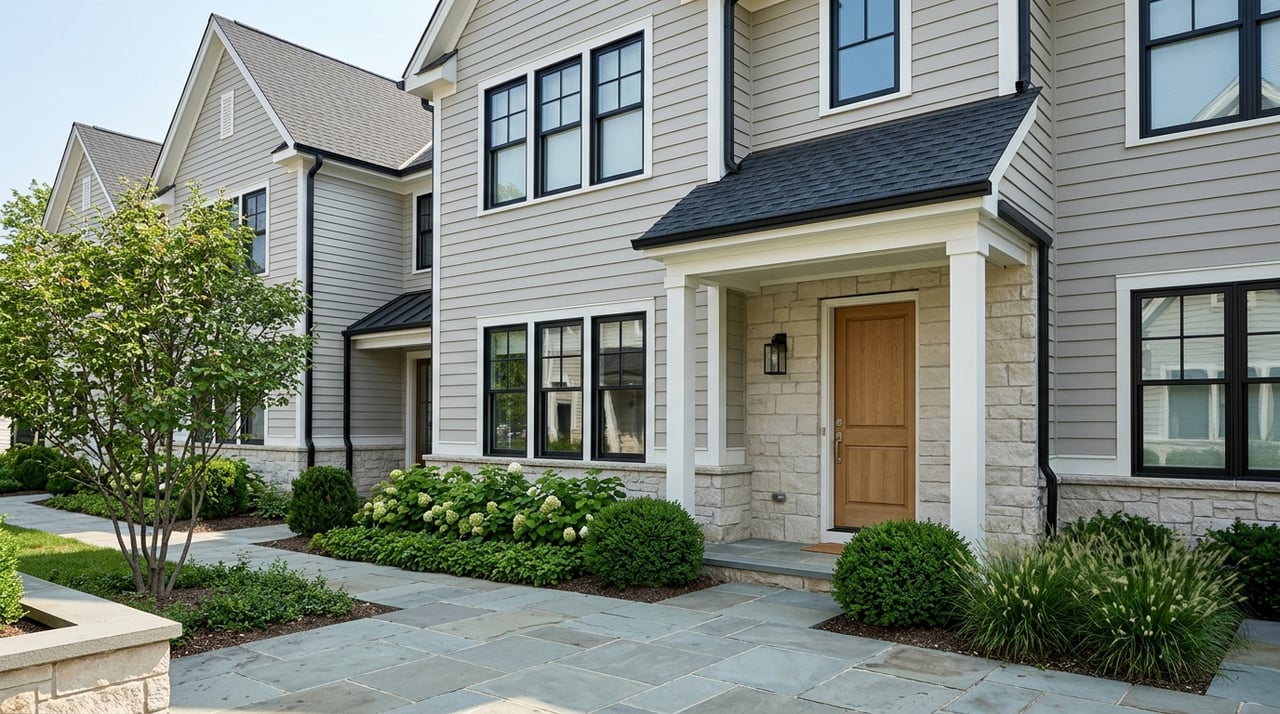
If you love Oyster Bay’s North Shore setting but do not want the upkeep that comes with a detached house, a condo, townhome, or co-op may be worth a closer look. Many buyers are drawn to the area for its walkable downtown, waterfront access, and rail connection to New York City, yet they also want a simpler day-to-day ownership experience. This guide will help you understand how Oyster Bay’s low-maintenance options work, what local communities can offer, and what tradeoffs to weigh before you buy. Let’s dive in.
Why buyers consider low-maintenance living
Oyster Bay offers a lifestyle that can appeal to downsizers, second-home buyers, and anyone looking for less exterior upkeep without leaving the North Shore. According to the MTA’s Oyster Bay guide, the downtown area centers on Main Street, Audrey Avenue, and South Street, with the Oyster Bay LIRR station about 1 hour and 20 minutes from Penn Station or Grand Central and about 1 hour from Jamaica.
That same guide notes the station sits across from Theodore Roosevelt Memorial Park and within walking distance of Beekman Beach, Raynham Hall, and downtown. For many buyers, that combination matters as much as the home itself. You may be able to trade lawn care and exterior maintenance for a more manageable property near shops, open space, and the waterfront.
Oyster Bay inventory is limited
One important thing to know is that Oyster Bay does not have a huge supply of condos and townhomes. The area has a small group of recognizable low-maintenance communities rather than a long list of similar developments. That can make it easier to compare options, but it can also mean fewer opportunities at any given time.
State downtown revitalization materials identify several of the best-known communities near the hamlet core, including Top of the Harbor, Lexington Estates, Landmark Colony, and Mariners Walk. For you as a buyer, that means each community’s rules, fees, and ownership structure deserve close attention because the choices are not interchangeable.
Condos and townhomes may offer a lower entry point
Oyster Bay is an expensive market overall, which is one reason buyers often look at condos, co-ops, and townhouse-style homes. A broader Oyster Bay market overview from Realtor.com reported a January 2026 median sale price of $1,064,250. While pricing methods vary by source and time period, the data suggests that lower-maintenance options can sometimes provide a more accessible path into the area than many detached homes.
That does not mean these properties are inexpensive. It means they may offer a different value equation, especially if you want to balance location, lifestyle, and ongoing maintenance responsibilities.
Understanding the main ownership types
Before you compare communities, it helps to know that not every low-maintenance property works the same way.
Co-ops in Oyster Bay
In a co-op, you do not own the unit in the same way you own a condo or fee-simple house. The New York Attorney General explains that co-op owners are shareholders in a corporation and tenants under a proprietary lease, with rules governed by the board, bylaws, and house rules.
For you, that usually means more documentation, more review, and more board involvement during the purchase process. It can also mean stricter policies on topics like subletting or occupancy.
Condos and townhouse-style condos
A condo usually gives you ownership of your individual unit while shared areas are managed by an association. In Oyster Bay, some properties look and feel like townhouses but are legally condominiums. That distinction matters because your monthly charges, rules, and financing may still function like a condo project rather than a detached home.
Condo buyers should also expect project-level review. HUD condo guidance and Fannie Mae condo standards show that lenders may review insurance, legal issues, title, and project condition.
Fee-simple homes compared
Detached homes usually involve fewer layers of board or association review unless they are inside an HOA. That is why many buyers see the choice this way: a co-op often comes with the most rules, a condo or townhouse-style condo is usually simpler but still governed, and a detached home offers the most autonomy along with the most upkeep.
Oyster Bay communities to know
Because inventory is limited, it helps to understand the role each community plays in the local market.
Top of the Harbor
Top of the Harbor is a post-war, garden-style co-op community built in 1972. A recent 2-bedroom listing was priced at $489,000, and listing details said maintenance included heating, water, outside maintenance, ground care, parking, snow removal, and garbage removal.
This type of setup can appeal if you want predictable bundled services and a smaller footprint. At the same time, the reported monthly charges were substantial, so it is important to understand exactly what those dues cover.
Lexington Estates
Lexington Estates is another local co-op option. Recent listings described a garden-apartment style building dating to 1963, with a 2-bedroom example priced at $425,000.
Reported monthly charges were around $1,126 and included a mix of services such as exterior maintenance, grounds care, snow removal, trash, and in some listings gas, sewer, and water. Pet policy details were listed as “call,” which is a good reminder that policies should always be verified directly.
Mariners Walk
Mariners Walk is a townhouse-style condominium community built in 2007. A recent listing showed an association fee of $489.72 per month, covering common area, grounds care, and sewer, and the same listing noted a clubhouse plus cats and dogs allowed.
This community is a useful example of the townhouse-versus-condo distinction. You may get the look and layout of a townhouse, but you still need to evaluate the condo fee, rules, and ownership structure carefully.
Landmark Colony
Landmark Colony is another townhouse-style development in Oyster Bay. Recent listing information described it as a 1982 townhouse with a garage and a waterfront setting, with HOA responsibilities that included exterior maintenance and snow removal.
For many buyers, this kind of property offers a middle ground between a detached house and a more apartment-style home. Still, it is important to remember that townhouse-style living does not mean full owner control, especially when rental rules or exterior decisions are handled by the association.
Monthly charges: what they really mean
One of the biggest mistakes buyers make is focusing only on the fee amount without asking what the fee includes. In the local examples above, Mariners Walk was around $490 per month, while older co-ops such as Top of the Harbor and Lexington Estates showed fees in roughly the $1,100 to $1,227 range.
That spread is meaningful, but a lower number is not automatically better. As the New York Attorney General’s HOA guidance explains, associations collect fees to cover shared expenses and maintenance, and those rules can affect everything from roofs and roads to pets and recreational facilities.
Services often included
Depending on the community, monthly charges may include:
- Exterior maintenance
- Grounds care
- Snow removal
- Trash removal
- Sewer
- Water
- Heat or hot water
- Parking
- Common area maintenance
If you are comparing two properties, ask not just “What is the monthly fee?” but also “What costs will I still pay separately?” That question often gives you a clearer picture of the real monthly budget.
Pet and rental rules matter
If you have a pet or think you may want rental flexibility later, read the rules early. Oyster Bay listings show clear differences from one community to another. Mariners Walk listed cats and dogs as allowed, while Top of the Harbor also listed cats and dogs as allowed. Lexington Estates used “call” for pets, suggesting review may be more case-specific.
Rental rules can be even more restrictive. Mariners Walk and Landmark Colony listings both noted that lease consideration was not allowed. The Attorney General’s co-op guidance also makes clear that co-op governing documents may set sublet provisions, which can be tighter than many buyers expect.
The practical takeaway is simple: pet-friendly does not mean rent-friendly, and neither policy should be assumed.
Financing and board review
Low-maintenance properties can offer lifestyle benefits, but they can also involve a more layered approval process.
Co-op financing basics
For co-ops, financing is typically structured as a share loan rather than a standard mortgage on real property. Fannie Mae’s co-op share loan rules state that these loans are only for principal residences or second homes, not investment properties.
That matters if you are thinking about future use before you buy. It is also one reason co-op purchases often involve both lender review and board review.
Condo financing basics
Condo and townhouse-style condo purchases are often more familiar to buyers, but they still involve project review. Lenders may look at the association’s insurance, legal standing, ownership structure, and overall condition of the project.
In other words, getting approved is not always just about your finances. The community itself may also need to meet lender standards.
How to compare Oyster Bay options
If you are deciding between a co-op, condo, townhouse-style condo, or detached home, it helps to compare them through a practical lens.
| Option | Best for | Main tradeoff |
|---|---|---|
| Co-op | Buyers who want bundled services and a smaller footprint | More board review and policy restrictions |
| Condo | Buyers who want simpler ownership with shared maintenance | HOA fees and project rules |
| Townhouse-style condo | Buyers who want more house-like living with less upkeep | Less autonomy than a detached home |
| Detached home | Buyers who want the most control | More maintenance responsibility |
The right fit depends on how you weigh freedom, upkeep, monthly costs, and approval requirements.
Smart questions to ask before you buy
Before you make an offer, ask for clear answers on these points:
- What exactly do the monthly charges cover?
- Are there current or upcoming assessments?
- What are the pet rules?
- What are the rental or sublet rules?
- Is the property a co-op, condo, or townhouse-style condo?
- What financing options are commonly used here?
- What board package or application process is required?
- Are there limits on renovations or exterior changes?
These questions can save you time, money, and frustration later.
Why local guidance matters in Oyster Bay
In Oyster Bay, buying low-maintenance housing is not just about choosing a floor plan. It is about understanding a small, specific set of communities, each with its own pricing patterns, fee structure, and rules. Because inventory is limited and ownership models vary, careful analysis can make a real difference in both your budget and your day-to-day lifestyle.
If you are weighing condos, co-ops, or townhome options in Oyster Bay, working with a local advisor can help you compare not just listing prices, but the full ownership picture. When you are ready for a thoughtful, data-driven conversation about your next move, connect with Patricia Santella.
FAQs
What is the difference between a co-op and a condo in Oyster Bay?
- A co-op means you buy shares in a corporation and occupy the home under a proprietary lease, while a condo usually gives you ownership of the unit itself plus shared responsibility for common areas.
What do Oyster Bay condo and co-op monthly fees usually cover?
- Depending on the community, fees may cover services like exterior maintenance, grounds care, snow removal, trash, sewer, water, parking, heat, or hot water.
Are Oyster Bay townhomes always owned as fee-simple properties?
- No. Some Oyster Bay properties look like townhomes but are legally condominiums, which means they still have association fees, rules, and project-level financing considerations.
Are pets allowed in Oyster Bay condo and co-op communities?
- Pet policies vary by community, so you should verify them directly before making an offer, even if a listing says pets may be allowed.
Can you rent out an Oyster Bay condo, townhome, or co-op later?
- Not always. Rental and sublet rules are community-specific, and some recent Oyster Bay listings stated that leasing was not allowed.
Is buying a co-op in Oyster Bay harder than buying a detached home?
- It can be more involved because co-op purchases often require more documentation, board review, and financing rules than a typical fee-simple home purchase.